
Before You Film: A Practical Consent and Privacy Routine for Field Reporters
A step-by-step routine for getting consent, judging privacy and checking the legal limits before a camera rolls on a news shoot, written from the operator's side.
Daniel Okoye · · 6 minutes to read
Why the camera operator needs this routine too
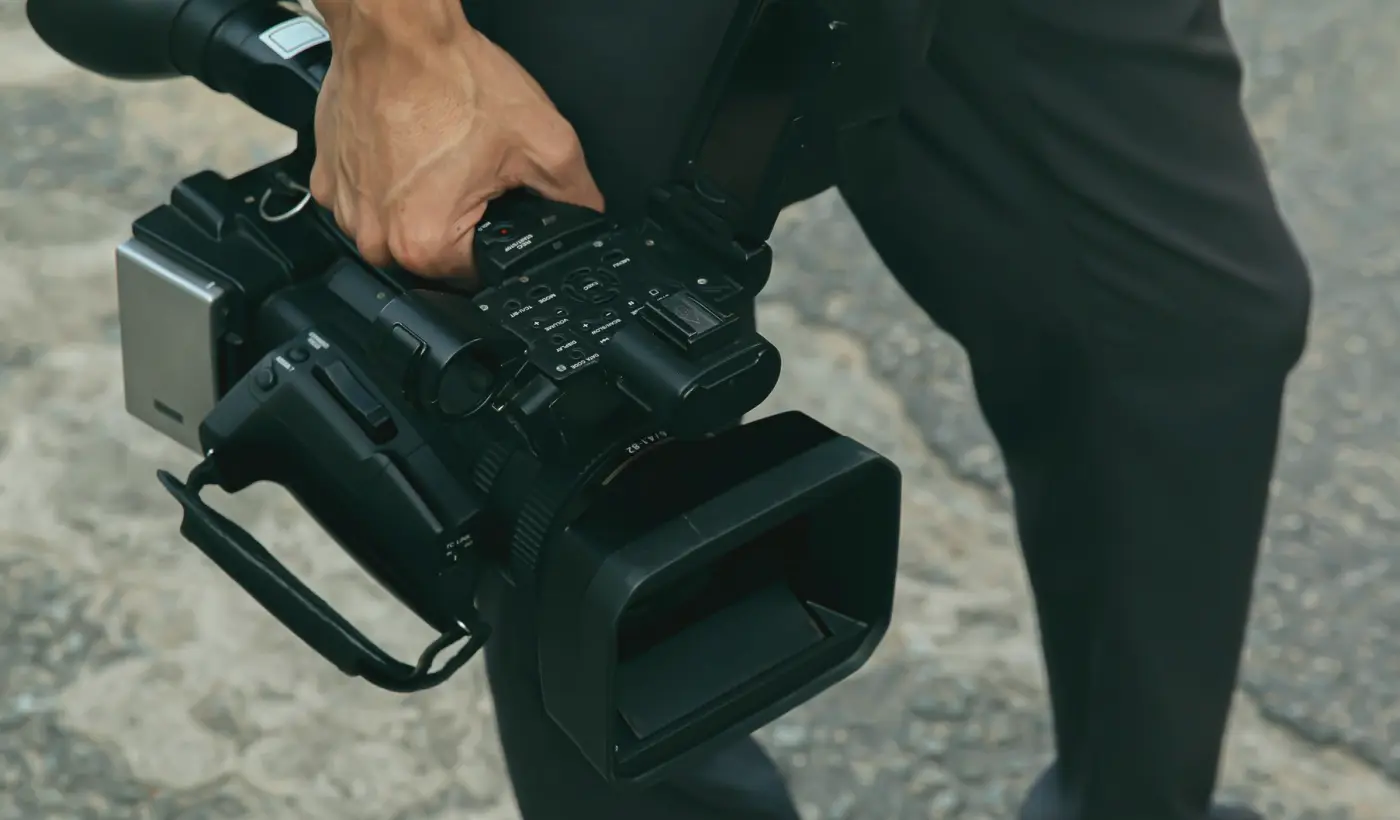
Most advice on consent and privacy is written for the reporter, yet the person holding the camera makes dozens of ethical decisions a day without being asked. Where you stand, what you keep in frame, whether the lens lingers on a face after someone has turned away: all of these are choices. In our Newsroom Ethics and Law sessions I often start with that point, because operators who treat the law as someone else's department tend to be the ones caught out on a live shoot.
This guide is a routine you can run in a few minutes before and during a shoot. It is not a substitute for a newsroom's own editorial guidelines, and it will not turn a short article into legal training. What it does is give you an order of questions, so that the important ones are asked while you can still change the shot, not after the footage has gone to the edit.
I teach it in the classroom with role play, because the routine only holds when you can say the words to a stranger without hesitating.
Step one: decide where the shoot is happening
Start with the ground you are standing on. A public street, a shopping centre, a school gate, a hospital car park and a private garden all feel similar through a viewfinder, but they carry different expectations. Public space generally allows filming of what is openly visible, while privately owned places usually depend on the owner's permission, and some settings, such as schools and medical sites, call for an arrangement made in advance.
Before you set up, ask who controls the space and whether anyone needs to know you are there. Look for signs about filming and note them. If you are unsure, phone the site's office or press contact and ask, then write down who you spoke to and when.
Note, too, the difference between what you are allowed to film and what it is fair to film. A person in distress at the scene of an accident may be visible from the pavement, yet the question for your editor is whether showing them serves the story.
- Who owns or manages this place?
- Are there signs restricting filming?
- Is there a press contact to call first?
- Have I noted who gave permission?
Step two: ask for consent in plain words
Consent that matters is consent the person understood. When you approach someone for an interview, say who you are, which programme or outlet the piece is for, what the story is about and roughly where and when it may appear. Keep it short and honest. If you cannot say where it will appear, say that too, rather than offering a vague promise.
Give people a chance to say no without pressure, and respect it. Where you have recorded agreement on camera, keep the clip. If the interviewee is a child or someone who may not be able to judge what they are agreeing to, you will usually need the agreement of a parent, guardian or carer, and your editor should know before you film.
One habit I push in practice sessions is the pause after the explanation. Counting two seconds in silence gives the other person room to ask a question, and it is often the question that shows they had not understood.
- Say who you are and who the piece is for
- Explain the subject and likely use
- Allow a clear no, and accept it
- Keep a recorded note of agreement
Step three: frame with privacy in mind
Consent given to one person does not cover everyone behind them. Before you roll, check the background for faces, house numbers, school uniforms, car registration plates and documents on desks or screens. A slightly different angle, a longer lens or a change in aperture to soften the background can solve most of these without any loss to the picture.
Think about the edit as you frame. If you know a bystander will need to be unidentifiable, shoot a clean alternative while you are still on location, because it is far easier than rescuing the sequence later. Cutaways of hands, objects and wide establishing shots all help.
Audio deserves the same care. A directional microphone picks up a private phone call twenty metres away, and what you hear in your headphones may be something the speaker never meant to share. If you catch it by accident, tell your editor so it can be left out.
- Scan the background before recording
- Shoot a clean alternative angle
- Listen for private speech in the headphones
Step four: know the legal edges you work near
Without turning the operator into a lawyer, there are boundaries worth keeping in mind. Defamation concerns statements that damage a person's reputation, so what the footage implies matters as much as what it shows. Court reporting has strict rules about what may be filmed and broadcast, and cameras are generally not permitted inside. Contempt of court, reporting restrictions and the protection of certain people's identities can all apply to a story that looks ordinary on the day.
Copyright also reaches the shoot. Music playing in a shop, artwork on a wall and a logo on a building can all appear in your frame, and your newsroom may have a view on how long and how prominently they may feature.
None of this requires memorising statutes. It requires recognising the moment to stop and ask. When a story touches courts, children, police operations or a named individual accused of something, phone your editor or the newsroom's legal contact before you film further.
- Courts and ongoing cases: stop and check
- Children and vulnerable people: involve the editor
- Named allegations: confirm before you frame them
- Branded or copyrighted material: note it for the edit
Step five: keep a short record of every decision
A shoot log sounds like paperwork, but it protects you and the people you filmed. Write down the date, the location, who gave permission and how, the names and contact details of interviewees as they supplied them, and any condition they attached, such as not showing their street or filming only from the shoulder down.
When the footage reaches the edit, the log travels with it. The editor then knows what was agreed instead of having to guess, and a complaint weeks later can be answered with facts. Two minutes of notes in the car afterwards is enough if you do it every time.
At the end of each practice day in class, I ask students to hand in their log with their rushes. It is the part they like least at first and the part that most often saves a clip from being dropped.
A routine like this works because it is boring and repeatable. Check the place, ask plainly, frame with care, stop at the legal edges and write it down. None of it slows a competent operator by more than a few minutes, and all of it makes your footage easier to broadcast with confidence. If you want to practise it with feedback, it forms part of our classroom sessions on newsroom ethics and law.