Six courses for reporters and camera operators
Small classroom sessions and supervised practice in Oxford, covering field camera work, on-camera delivery, live reports, interviews, editing and the law that shapes broadcast news.
What you can learn with us
Field Camera Operation
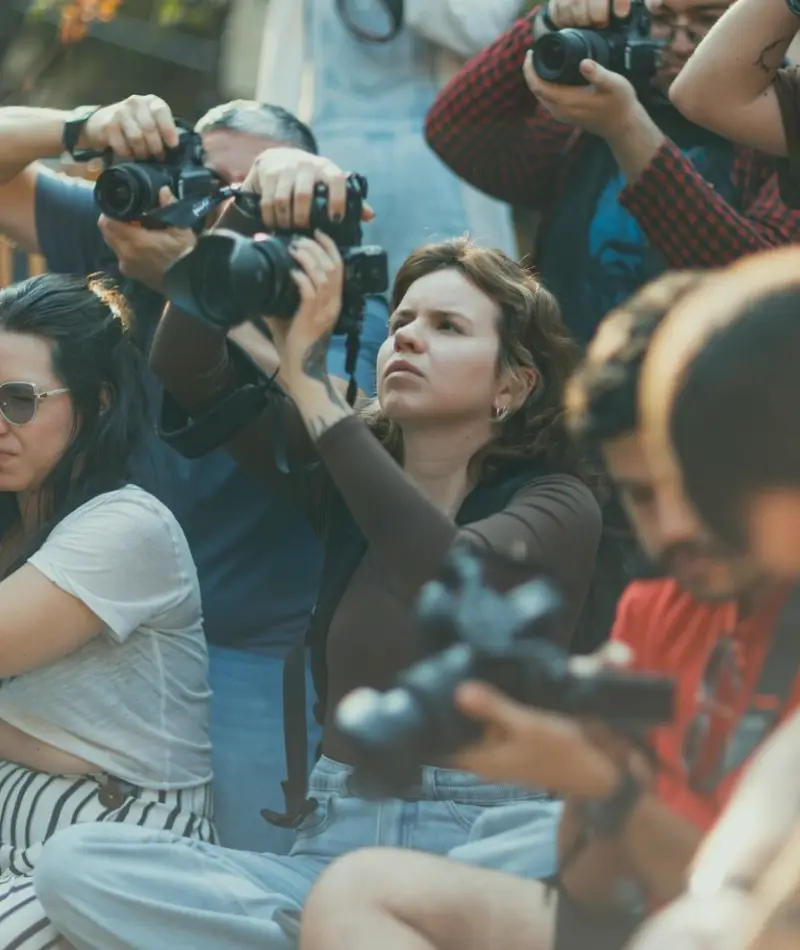
Framing, exposure, audio and handheld movement, practised on real shoots rather than in a studio. You learn to keep a shot steady and usable when light, weather and crowds keep changing.
On-Camera Reporting
Delivery, script writing and piece-to-camera practice. Each take is recorded and reviewed with a working presenter, so you can see what the viewer sees and adjust.
Live Coverage Strategy
Planning, cueing and ad-libbing for live television reports. You work from preparation through to sign-off, including what to do when the producer's voice in your ear changes the plan.
Interview and Story Craft
How to structure an interview, draw out a clear answer and build a narrative. We also look at choosing shots that carry the story, so pictures and words support one another.
Editing for Broadcast
Cutting field footage into clear, fair news packages on professional editing software. You practise pacing, sound mixing and preparing a finished piece for broadcast.
Newsroom Ethics and Law
Classroom sessions on accuracy, consent, privacy and the legal limits of broadcast reporting. Case discussions help you judge what is fair before you are on a deadline.
Field Camera Operation, step by step
Framing and composition
You learn to frame for the story: wide, medium and close shots, safe areas for graphics, and how to hold a shot long enough for an editor to use it.
Exposure and light
We work with changing daylight, shade and mixed indoor lighting. You practise setting exposure and white balance quickly so a shot is not lost while you fiddle with settings.
Audio in the field
Clean sound matters as much as the picture. You practise microphone placement, monitoring with headphones and spotting wind or traffic noise before it ruins an interview.
Handheld movement
Shoulder-mounted technique, breathing and posture, and moving with a subject without shake. Tutors watch your footage back with you and point out where movement helped or distracted.
From first enquiry to supervised practice
We keep the route into a course simple and explain each stage in writing. You can ask questions at any point, and nothing is arranged until you have confirmed it. Here is how an enquiry usually moves forward.
Send an enquiry
Use the contact form to tell us which course interests you, your experience so far and what you hope to be able to do afterwards. A short description is enough to start.
What you leave withWe have a clear picture of your goals and your starting level.
Talk through the options
A tutor replies to discuss which course fits you, what the sessions involve and what you should bring. If a different course would suit you better, we say so.
What you leave withAn agreed choice of course and a list of what to prepare.
Receive a written quotation
We send a quotation that sets out what is included and what could change the cost. You can read it at your own pace and ask about anything unclear before replying.
What you leave withA written quotation with the course scope and price.
Confirm and pay by invoice
Once you confirm, we issue an invoice, payable by bank transfer. Cancellations and refunds follow our payment and refund policy, which you can read beforehand.
What you leave withA confirmation and an invoice with transfer details.
Attend sessions and practise
You join small classroom sessions followed by supervised practice. Tutors give feedback on recorded work, and you leave each session with notes on what to repeat.
What you leave withRecorded practice work and written feedback from your tutor.
What students say about the courses
These comments come from people who have taken sessions with us in Oxford. They describe the practice and feedback in their own words.
“I had only ever filmed on a phone. After the field camera sessions I could set exposure and check audio without thinking about it. Daniel watched my footage with me and showed exactly where a shot drifted.”
“The recorded piece-to-camera takes were uncomfortable at first, but they were the most useful part. Priya pointed out small habits I never noticed, and my delivery sounded calmer within a few weeks.”
“The live coverage course made me plan properly. We rehearsed cueing and what to say if the link drops, and Helen made us do it again until it felt ordinary instead of frightening.”
“The ethics sessions were more practical than I expected. Discussing real consent and privacy questions made me slower to rush a story and quicker to check my facts before cutting anything.”