
How Long Should an Interview Be Before You Start Shaping the Story?
The question we hear most from new reporters: how much interview is enough, and how do you turn it into a story? Practical answers from the reporting coach's desk.
Priya Nair · · 6 minutes to read
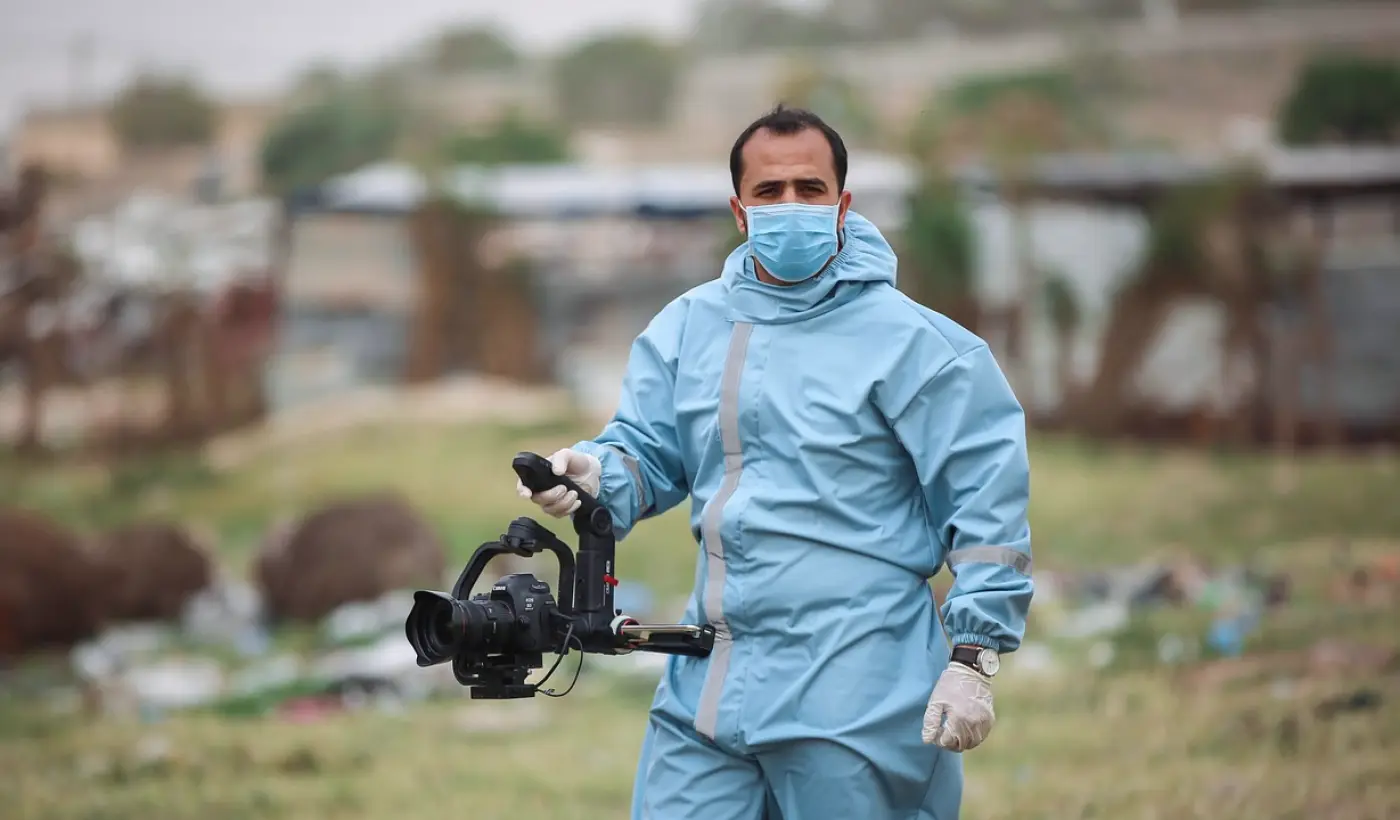
The question we are asked most often
Almost every new student asks some version of the same thing: how long should an interview run, and when do I know I have enough? It sounds like a question about minutes, but it is really a question about purpose. A reporter who walks in knowing what the story needs will stop when it has been said. A reporter who walks in hoping something useful turns up will keep going and still leave with nothing to cut.
On our Interview and Story Craft sessions I give a plain answer first, then qualify it. For most news items, ten to fifteen minutes with a contributor is plenty, because the finished piece may use only twenty or thirty seconds of what they say. The qualification is that those minutes must be prepared. Length is a poor measure; the real test is whether you have the one clear point, the one human detail and the one line you could use as a closing thought.
Decide what the story is before you press record
Before any interview, write one sentence that begins with the words: this story is about. If you cannot finish it, you are not ready, and the conversation will wander. The sentence does not have to survive contact with the facts, and often it changes, but it gives you something to test each answer against.
From that sentence, draw up three or four questions, no more. Students tend to arrive with a page of them and read them off in order, which makes the contributor stiff and leaves no room to listen. Short, open questions work best: what happened, what did you see, what changed for you. Keep the list where you can glance at it, and treat it as a safety net rather than a script.
- Write the story in one sentence before you leave
- Bring three or four questions, not a page
- Know which answer you most need to hear
Listening is where the story is found
The best material usually arrives after the prepared question has been answered. A contributor gives the tidy version first, then, if you stay quiet for a moment longer than feels comfortable, adds the thing they had not planned to say. Many early-career reporters rush to fill that silence. Practise leaving it alone.
Follow-up questions are short and specific: what did that sound like, who else was there, what happened next. They pull out the detail that a viewer will remember. Eye contact and a nod do more than a spoken reaction, and they keep your own voice off the recording, which matters when the editor needs a clean answer. If the contributor wanders, bring them back gently by returning to something they said earlier.
- Let a pause run a few seconds longer than feels natural
- Ask what they saw, heard or did, not what they think
- Keep your own voice off the audio where you can
Choosing the shots that carry the words
An interview is only half of what a viewer receives. Once you have the words, ask what the audience should be looking at while they hear them. Cutaways, hands at work, a street, a doorway, a document held up to the lens: these are what stop a package from becoming a talking head with captions.
Plan these shots as you go, not afterwards. While the contributor speaks, note what they mention that you could film: a place, an object, a routine. Then film it before you leave, holding each shot steady for around ten seconds so the editor has room to work. A common mistake is to treat shooting and interviewing as separate jobs on separate days. Working together with a camera operator in the same room is the closest practice to a real newsroom.
Shaping what you have recorded into a narrative
Back at the desk, resist the urge to include everything. Listen through once without notes, then mark the three moments that stayed with you. Those usually form the spine of the piece. A short news story needs a beginning that sets the scene, a middle that makes the central point, and an ending that leaves the viewer with something to think about.
Fairness matters at this stage. When you trim an answer, check that the shortened version still means what the speaker intended, and that you have not placed their words beside a shot that suggests something else. Our classroom sessions on accuracy and consent cover this in more detail, but the habit starts here. If you would be uneasy showing the contributor how you used their words, cut it again.
- Mark the three moments that stayed with you
- Open with a scene, not a statement of background
- Check each trimmed answer still means what was said
What students tell us after their first few attempts
The pattern is consistent. First attempts run long, include too many contributors and lean on narration to explain what the pictures could have shown. By the third or fourth, students start leaving material out on purpose, and the pieces improve quickly. The fear of missing something fades once you trust your preparation.
If you are working alone, record a practice interview with a friend or relative on any subject you like, then listen back and count how many times you interrupted. Most people are surprised. Reviewing recorded feedback with a coach is the quickest way to correct this, because it is difficult to hear your own habits live. Progress here is steady and modest rather than dramatic, and that is normal.
So, how long should an interview be? Long enough to get one clear point, one human detail and one usable closing line, and no longer. Prepare a single sentence about the story, ask few questions, listen for the unplanned answer, and film the shots that support the words. Shape the result fairly, and expect the first few attempts to be rougher than you would like. That is simply how the craft is learned.