
Live Reports in the Dark Months: Planning, Cueing and Sign-Off
Short days, wet pavements and early dark change how a live report is planned. Helen Marsh sets out what to prepare, cue and ad-lib before the clocks go back and the weather turns.
Helen Marsh · · 7 minutes to read
Why autumn changes the live report
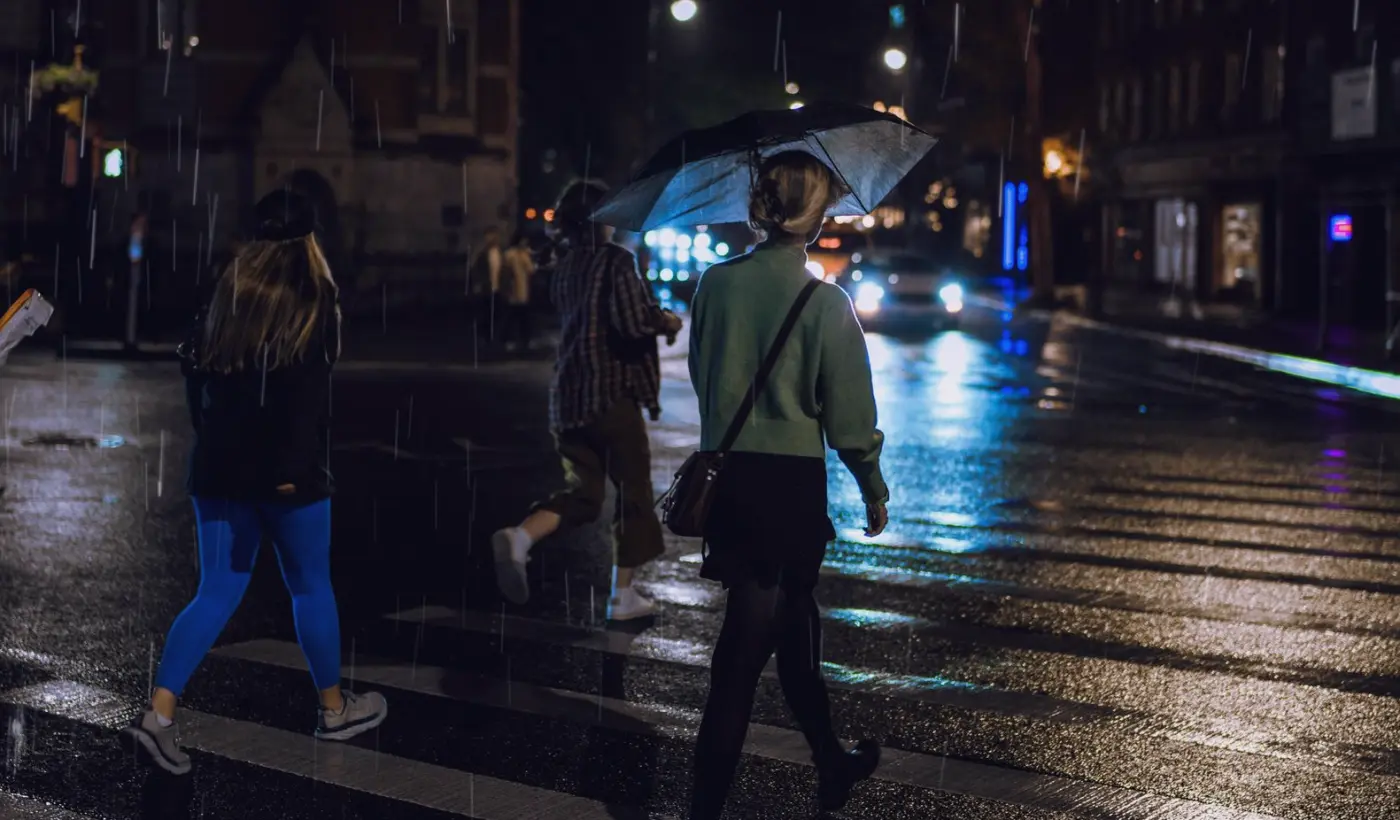
Live coverage in these weeks is a different job from live coverage in June. The light fades before the early evening bulletin, the ground is wet, hands are cold and the crowd you expected at six may have gone home by half past five. None of that is dramatic, but all of it eats into the margin a live report depends on. When we run Live Coverage Strategy sessions at this time of year, I start by asking students to write down what could go wrong in the first ninety seconds, before anyone has said a word to camera.
The honest answer is usually small things: a microphone that crackles in the damp, a script that cannot be read in poor light, a presenter in the studio who throws to you a few seconds earlier than agreed. Planning is simply the habit of meeting those small things before they arrive, rather than discovering them while a red light is on.
This article is about the coming months only. It covers preparation, cueing and ad-libbing as they apply to short days and unsettled weather, and how to leave the air cleanly at sign-off.
Preparation before you leave the building
Good live work is mostly done before the car moves. Agree the running time with the producer, the exact words of the throw from the studio, and the last line you will say. Write your opening on one side of paper in large print, because a phone screen is hard to read in drizzle and a torch in your teeth is no help to anyone. Keep two or three facts that you can say without looking down, and know which of them you would drop if the slot was cut in half.
Check the location at the time you will actually be on air, not at lunchtime. A street that is quiet in daylight can be loud and crowded after dark, and a pleasant background at noon can be a black wall at five. Note where the nearest light source is, where you can stand out of the wind, and where the crew can park without blocking anyone.
Pack for the weather as well as the kit: spare batteries kept warm in an inside pocket, a cloth for the lens, a cover for the microphone and something to keep the script dry.
- Agree the throw and the sign-off wording with the studio
- Print the opening in large type on paper
- Visit the spot at the hour you will broadcast
- Keep batteries warm and the lens clean
Working with the camera operator in poor light
A live report is a two-person performance, and in autumn the camera operator carries more of it than the reporter usually admits. Daniel Okoye, who teaches our field camera sessions, reminds students that exposure drifts as daylight goes, so the shot you agreed in rehearsal may not be the shot you are on air with. Talk it through: where you will stand, where you will walk, whether the picture opens wide or tight, and what the operator should do if you lose your place.
Agree simple signals before the red light, such as a raised hand for thirty seconds left and a nod when the throw is coming. Both of you are working in cold, with gloved hands and limited patience, so the fewer things you have to say aloud the better. A reporter who tells the operator everything in advance rarely has to improvise instructions mid-sentence.
Stand where the light falls on your face rather than behind you, and ask the operator to tell you plainly if you look dark. It is a normal request, and the fix is often one step to the left.
Cueing and the first ten seconds
The throw from the studio is the part you do not control, so learn to listen to it properly. Many reporters spend the throw thinking about their opening line and miss the question that has just been put to them. Take a breath, let the presenter finish, and answer the point they raised before you move to your prepared words. It sounds natural to the viewer and it keeps you honest if the studio has changed the wording.
Practise a plain opening that places the viewer: where you are, what has happened and why it matters now. In the dark months, that often includes a short note on conditions, because a viewer at home may want to know whether the road is closed or the river is still rising. One sentence is plenty.
Keep your cue light. If the earpiece fails, you should be able to carry on from your paper without announcing a problem, and then deal with it when you are off air.
- Listen to the whole throw before you speak
- Open with place, event and relevance
- Have a plan if the earpiece drops out
Ad-libbing when the story moves
Seasonal stories change quickly: a storm warning is upgraded, a match is called off, a power cut spreads across a town. Ad-libbing in these cases is not performance, it is the discipline of saying what you know in order. Build a small framework in your head of what is confirmed, what is likely and what you cannot yet say, and speak from it. Accuracy is one of our three values for a reason, and live television is where it is easiest to lose.
If a new fact arrives in your ear while you are speaking, do not repeat it as certain unless the producer has confirmed it. Say that you are hearing it and that you will update the viewer when it is checked. Viewers forgive caution far more readily than a correction.
Practise by speaking for sixty seconds on a subject with only three notes. Record it, listen back, and count how often you say filler words. Most people halve them within a few sessions.
Leaving the air cleanly
Sign-off is the line that reporters rehearse least and regret most. A clean exit gives the studio what it needs: a short summary of where things stand and a pointer to what comes next, in words you can say without hurrying. Aim for around ten seconds, finish on a full stop rather than a trailing thought, and hold your position until the presenter has left you. Many a good report has been spoiled by a reporter wandering out of shot or muttering to the operator while still live.
When you are clear, take two minutes before packing. Ask the producer how the slot felt, note anything that went wrong with equipment or timing, and write it down while it is fresh. In winter conditions, small problems repeat, and a short log kept over the season becomes a practical checklist.
Then dry the kit, warm your hands and look at the next bulletin. The routine is the same each evening, and that is what makes it reliable.
- Close in about ten seconds on a firm last line
- Hold your position until you are released
- Keep a short log of what went wrong
Live coverage in the darker months rewards the reporter who has planned for the dull problems: poor light, wet hands, early throws and stories that change mid-sentence. Prepare on paper, agree signals with your operator, listen to the throw, say only what you know and leave the air cleanly. None of it is glamorous, but it is exactly what separates a steady report from a shaky one, and it can be learned and practised before the weather turns.