
Inside the live coverage sessions: from first cue to sign-off
A look at how the Live Coverage Strategy sessions run in the classroom and on location, and what students practise between the first planning note and the final line to camera.
Daniel Okoye · · 5 minutes to read
What the live sessions are for
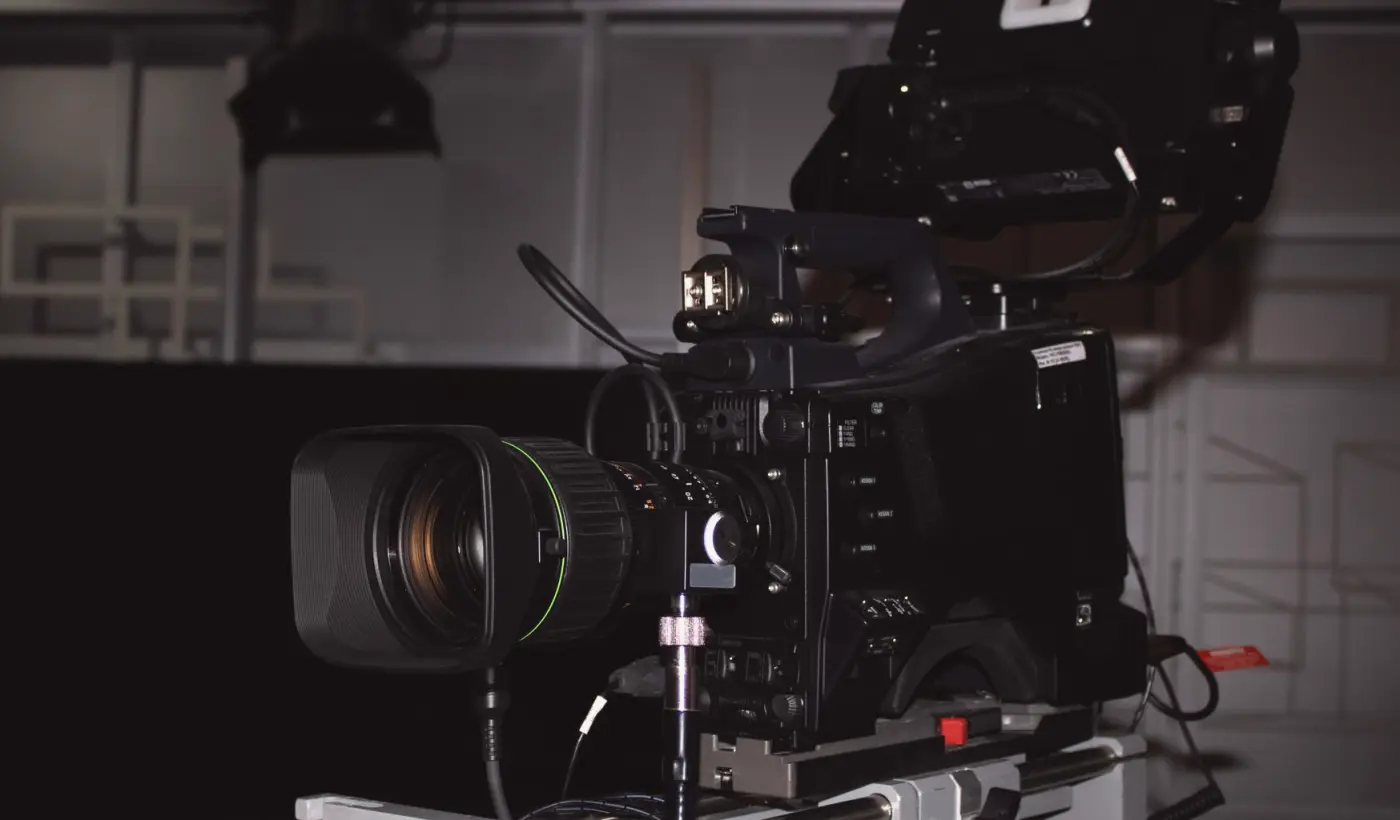
Live Coverage Strategy is the part of our programme where everything a student has learned about framing, scripting and delivery has to work at the same moment, with no second take. I teach the camera side at currenlu, and I sit in on these sessions because a live report is as much a camera problem as a reporting one. If the shot is wrong, the best sentence in the world is wasted.
The course covers planning, cueing and ad-libbing, from the first preparation notes to the sign-off. Helen Marsh leads it, drawing on her years as a broadcast news producer, and the group stays small so that everyone gets several attempts in each session rather than one nervous turn at the end of the day.
This autumn the sessions are running with the shorter evenings in mind, which changes how we plan locations and how early a crew needs to be in position.
Preparation before anyone goes on air
Most of what makes a live report steady happens before the red light. Students start with a single page: what has happened, what is known, what is not yet confirmed, and which three points the report must land. Anything beyond that is held back for the ad-lib, not memorised.
We then walk the location together. The reporter decides where to stand, the camera operator checks the background, the light and the sound, and both agree on a simple signal for when the shot is ready. It sounds basic, but crews who skip this walk-through are the ones who discover a passing bus or a lamp-post growing out of a head after they have gone live.
In mid autumn we add a practical question to the list: how long will the light last, and what happens to the shot if it fades halfway through the report?
- Write the three points the report must land
- Note what is confirmed and what is not
- Agree the camera position and the ready signal
Cueing and working with the camera
Cueing is where reporters and operators learn to trust one another. A clear count-in, a hand signal and a agreed first line remove most of the awkward half-second at the start of a live report. We rehearse it until nobody has to think about it.
I use these sessions to teach operators how to follow a reporter who moves. A slow walk towards the subject, a turn to point at something behind, a step to the side to make room for an interviewee: each has a framing answer, and each needs the operator to know the plan before it happens.
Reporters, for their part, learn to give the camera a fair chance. Moving only when the plan says so, keeping the eyeline steady and holding still on the last line are habits that make the operator's job possible and the shot cleaner.
Ad-libbing without losing the thread
Ad-libbing is often described as a gift, but in the classroom we treat it as a skill built from preparation. A reporter who knows the three key points and the background facts can speak for thirty seconds or two minutes without reading anything, because the structure is already in their head.
Students practise with timed exercises. A producer-style voice in their ear asks them to stretch, to cut short or to return to a point already made. They learn to fill time with something useful, such as a detail from the scene, and never with guesses about what has not been confirmed.
Accuracy matters most here. If a fact is uncertain, the reporter says so plainly. Fairness in live coverage often comes down to a few careful words chosen on the spot.
- Keep a short list of confirmed facts to hand
- Use the scene itself to fill time
- Say clearly what is not yet known
Weather, light and things that go wrong
Live work rarely goes to plan, so we rehearse the problems on purpose. Wind across the microphone, rain on the lens, a crowd drifting into the frame and a sudden loss of the cue are all part of the exercises, and students are asked to carry on calmly and solve them in the shot.
From the camera side, I teach simple fixes: shifting position to shield the microphone, tightening the frame to remove a distraction, and keeping a steady hold while the reporter recovers. None of it needs special equipment, only practice and a clear head.
Autumn gives us plenty of honest material for this. Changing light, gusts and showers are the conditions many early-career crews meet in their first months, and we would rather students met them with us first.
The sign-off and the debrief
A live report ends with a sign-off, and it deserves as much care as the opening. Students learn to land the last line, hold the shot for a beat after it and wait for the all-clear before relaxing. Operators learn to stay on the reporter rather than drifting away early.
Every attempt is recorded, and the debrief follows straight after. We watch it together, looking at framing, sound, delivery and accuracy in turn. Feedback is specific and kind: what worked, what to change next time, and one thing to try on the next run.
By the end of the course, students have several full live runs behind them, each with notes to take away. That record is often more useful to them than any single result, because it shows how their work has changed.
Live coverage rewards preparation more than nerve. If you would like to see how the sessions are structured, the Courses page sets out what Live Coverage Strategy includes, and you can write to us through the contact page with any questions about group size, dates or what to bring. We are happy to talk it through.