
How a Field Camera Session Is Actually Run, Start to Finish
A look behind the scenes at a Field Camera Operation session: how we set up the morning, what students shoot, how mistakes are handled and what each person takes home to practise.
Helen Marsh · · 5 minutes to read
Before anyone picks up a camera
A session begins the evening before, when Daniel Okoye and I agree on a single shooting problem for the group. It might be a street with mixed light, a market with constant movement or a car park where wind spoils the audio. We never plan a perfect location, because news rarely gives you one, and the first hour of the morning is spent walking the ground without equipment.
Students then lay out their kit on a table and check it in a set order: batteries, cards, lens, microphone, headphones, tripod plate. It sounds dull, and it is, but a missing card on a real job costs a story. We make this routine slow at first so that by the third week it is quick and nobody thinks about it.
Only after that do we talk about what the shoot is for. Each student is given a one-line brief, such as a road closure or a change to bus times, so every frame has a reason to exist.
- Walk the location without cameras first
- Check kit in the same order every time
- Give each student a one-line story brief
Framing and exposure in changing light
Mid autumn is a useful season to teach exposure. The sun sits low, clouds move quickly and a shot that was fine at ten can be too dark at half past. We ask students to set exposure, then deliberately wait for the light to change and correct it without losing the shot.
Framing is taught through repetition rather than rules. Each student shoots the same doorway three ways: wide, medium and close. We then watch them together and ask which one tells the viewer something. Daniel is firm that headroom, eye line and a steady horizon are habits, and habits come from doing it forty times, not reading it once.
We also talk about backgrounds. A bright window behind an interviewee or a sign that appears to grow out of someone's head are small things that distract a viewer from the story.
Audio is half the picture
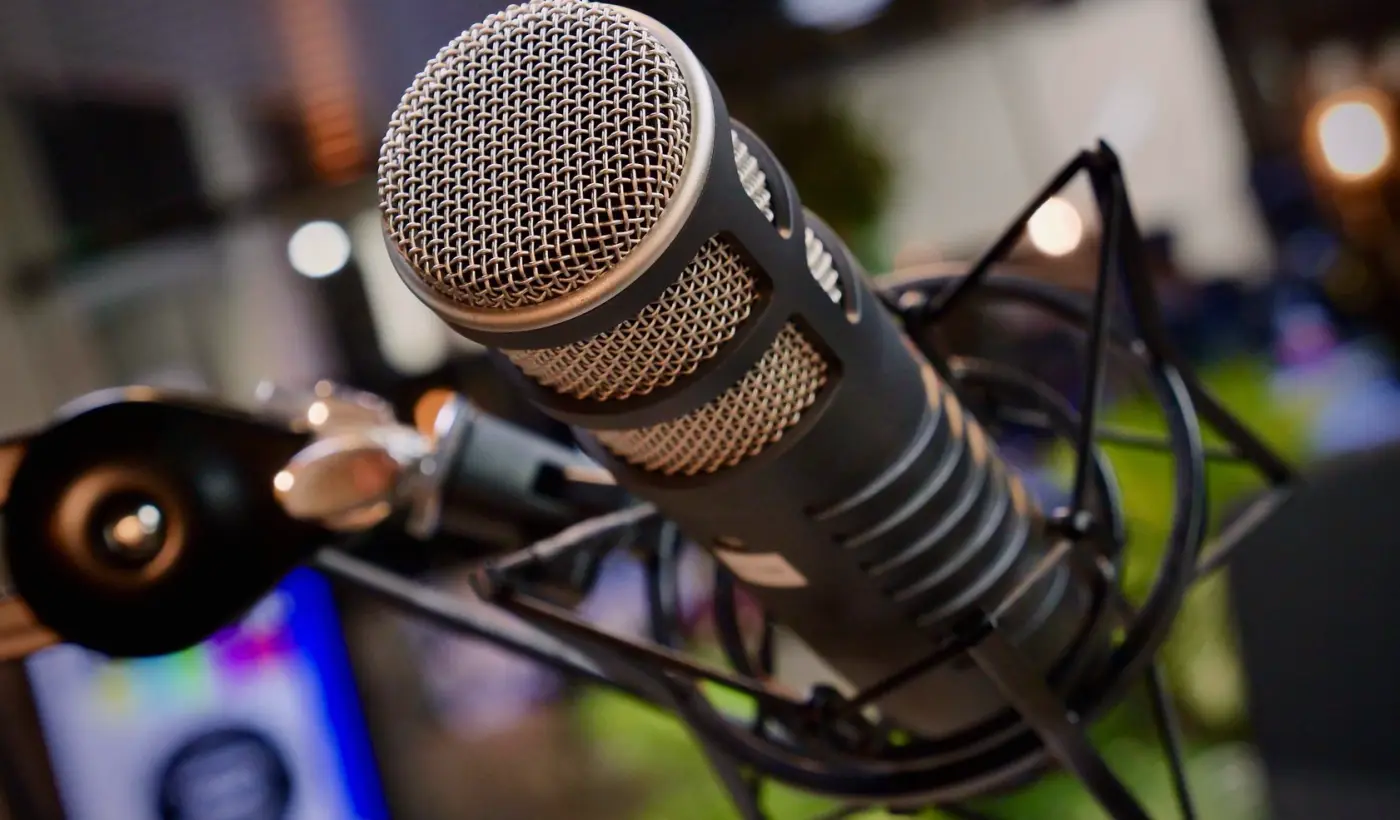
New operators usually spend their attention on the image and treat sound as an afterthought. We reverse that on purpose. Each student wears headphones for the whole session and is asked to describe what they hear before they press record: traffic, a shop speaker, a hum from a fridge unit.
We then record the same sentence with the microphone at three distances and play the results back. The difference is obvious to everyone in the room, and it settles the argument about whether to move closer to a speaker.
Handheld movement is added once audio habits are settled. Students practise walking shots with bent knees and a relaxed grip, and we check the footage for the small bounce that gives away tense shoulders. Short, slow takes beat long, ambitious ones every time.
- Wear headphones throughout the shoot
- Record one sentence at three mic distances
- Keep handheld takes short and deliberate
How mistakes are handled on the day
Mistakes are expected and used. When a student's shot is soft or the audio clips, we do not fix it for them straight away. They watch it back on the camera screen, name the problem themselves, and then reshoot. Naming the fault is the skill; the reshoot is just proof.
Daniel moves between students rather than standing in front of the group, so feedback is quiet and specific. A comment such as 'your focus was on the fence, not the person' is more useful than general praise, and it spares anyone embarrassment in front of the others.
If the weather turns, we carry on. Rain, glare and cold hands are part of the job, and a session that never meets them has not prepared anyone for a real shoot.
Reviewing the footage together
After a break we gather around a monitor and watch selected clips, with the student's permission. We look for three things: was the story clear, was the sound usable and would an editor thank you for this material. Tom Whitaker sometimes joins to say what he would cut and what he would curse.
This step changes how students shoot. Once you have watched an editor wince at a shot with no cutaway or no ambient sound, you start collecting extra pictures without being told. Cutaways, hands, signs and wide establishing frames become habits.
We keep the tone fair and practical. Everybody's footage is imperfect, including ours, and the point is to see patterns that can be fixed by the next session.
- Is the story clear from the pictures alone
- Is the sound usable without repair
- Would an editor have enough cutaways
What students take away to practise
Each person leaves with a short list of two or three things to work on, written down rather than remembered. One student might need steadier walking shots, another a better habit of checking audio. We keep the list short because a focused target gets practised and a long one gets ignored.
We encourage students to shoot something small between sessions: a bench, a bakery queue, a bus stop. Ten minutes of deliberate practice with a clear question in mind is worth more than an afternoon of aimless recording.
The following session opens by reviewing that homework. It is the quiet part of the course, and in my experience it is where the biggest improvement happens.
A field camera session is built around ordinary habits: checking kit, listening before recording, framing the same subject several ways and watching your own footage honestly. None of it is glamorous, but it is what working operators do every day. If you are thinking about the course, come with a willingness to repeat things and to be corrected kindly, and we will supply the location, the kit and the practice.