
Learn to report and shoot the news the way a newsroom expects

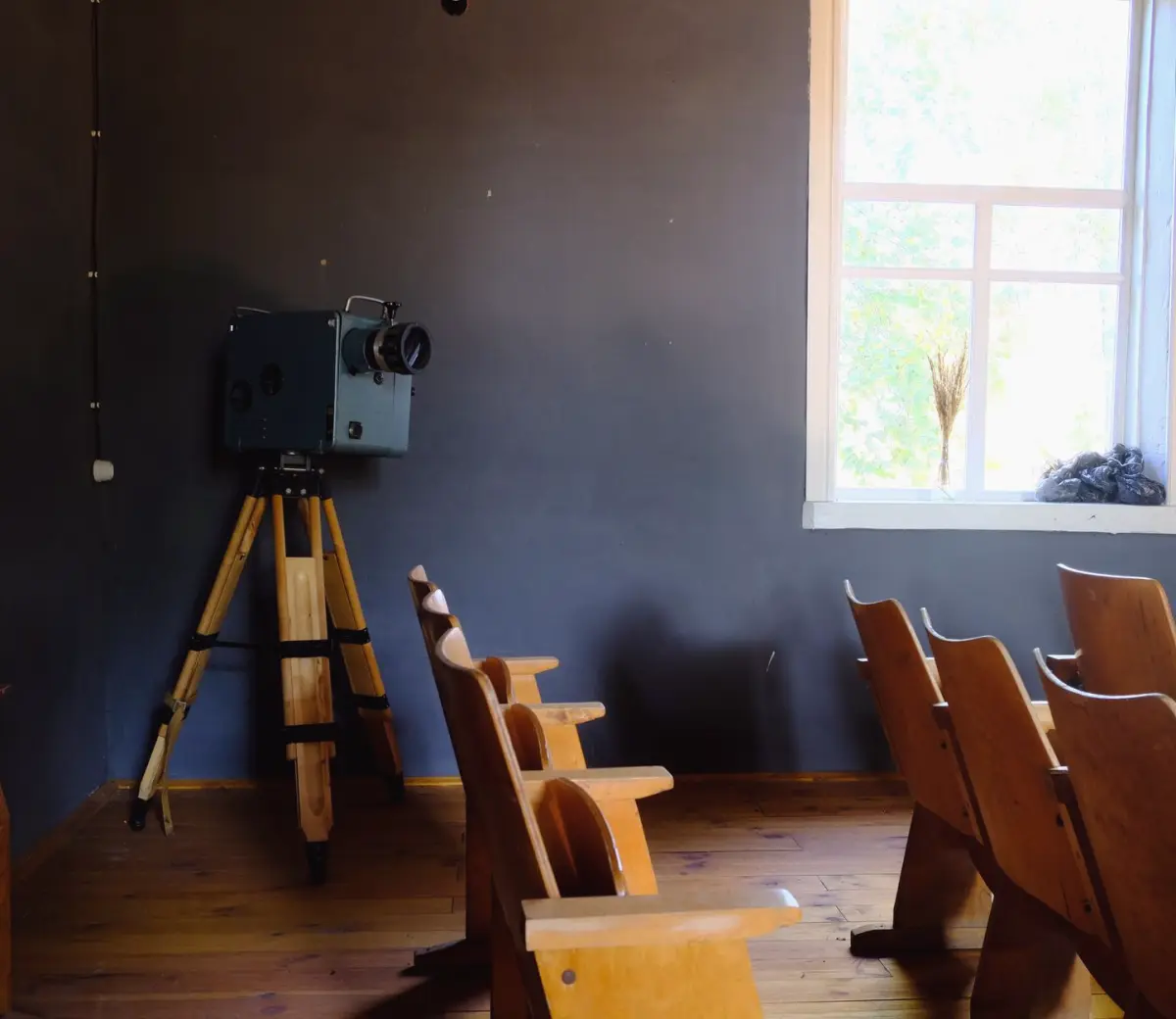
A training hub built around the working day of a news crew
currenlu has taught television journalism from Cowley Court Lane in Oxford since 2014. We work with reporters and camera operators who are starting out or early in their careers, in small groups where everyone gets time with the equipment and time in front of it. Our tutors have worked in broadcast news, and sessions follow how a story is actually gathered, written, filmed and cut.
About- 2014Founded
- 6Service areas
- 4Team profiles
What we stand for
Accuracy
We teach students to check names, figures and sources before a camera is switched on, and to keep a script honest to the pictures. A fact that cannot be supported does not go into the piece.
Craft
Good television is built from small, repeatable habits: a steady frame, clean sound, a clear opening line. We give students enough supervised practice to make those habits automatic.
Fairness
Stories involve real people with something at stake. We train students to give each side a proper hearing, to ask for consent and to cut footage without bending what was said.
What you can learn with us
Our courses cover both sides of the lens, from handling a camera in poor light to delivering a piece to camera. Each one can be taken alone or alongside others, depending on your role.
Field Camera Operation
Students learn framing, exposure, audio and handheld movement on real shoots, including awkward light and crowded spaces. Daniel Okoye leads the sessions. The aim is footage an editor can use without apology.
On-Camera Reporting
This course covers script writing, delivery and the piece to camera, with each attempt recorded and reviewed with working presenters. You see your own habits on screen and work on them one at a time.
Live Coverage Strategy
Live reports depend on preparation, clear cueing and the ability to keep talking when something changes. Students plan a live hit, rehearse it and deliver it, from first brief through to the sign-off.
Interview and Story Craft
We look at how to structure an interview, draw out a useful answer and choose shots that carry a story. Students practise with real interviewees and then shape the material into a clear narrative.
Editing for Broadcast
Students cut field footage into short news packages on professional editing software, working on pace, sound and fair treatment of what was said. Tom Whitaker guides each package through to broadcast standard.
Newsroom Ethics and Law
Classroom sessions deal with accuracy, consent, privacy and the legal limits of broadcast reporting. Cases are discussed in plain terms so students know what to ask and when to stop before they film.
Training shaped around real news work
Every session is built so that students spend most of their time doing the job rather than hearing about it. These are the practical details that make that possible.
Small groups
Classes stay small so each student gets proper time on the camera, at the microphone and in feedback, instead of waiting for a turn.
Recorded feedback
Delivery and camerawork are recorded and reviewed with tutors, so comments point to something you can see and hear.
Both sides of the lens
Reporters and camera operators learn side by side, so each understands what the other needs on location and in the edit.
Real equipment
Students handle the kind of cameras, microphones and editing software used in newsrooms, so nothing about the kit is new on their first job.
Supervised practice
Practice sessions run with a tutor present, which means mistakes are caught early and not repeated for weeks.
Ethics from the start
Accuracy, consent and the law are taught alongside the technical skills, not left to the end of a course.
The detail of day-to-day training
Our sessions move between the classroom, the street and the edit suite. These scenes show the materials, steps and settings students work in.
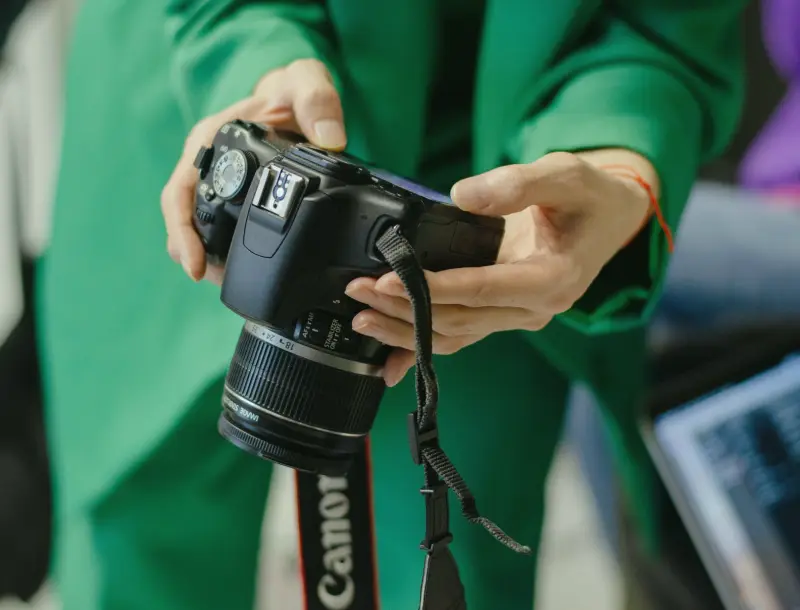
Handheld framing on location
Students practise holding a shoulder-mounted camera steady while following movement, learning to keep a frame usable when the subject and the light keep changing.
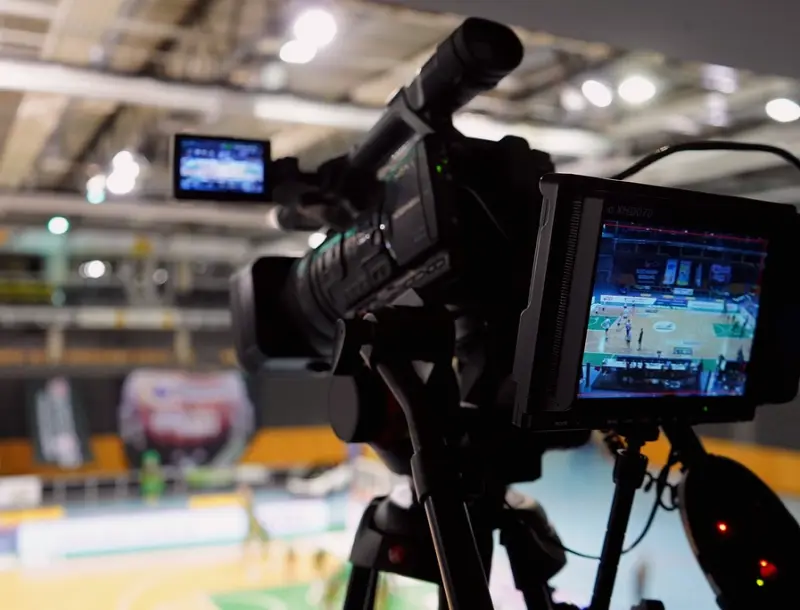
Recording a piece to camera
Each reporter delivers a script to camera, then watches the recording with a coach. Pace, eye line and wording are adjusted over several takes.
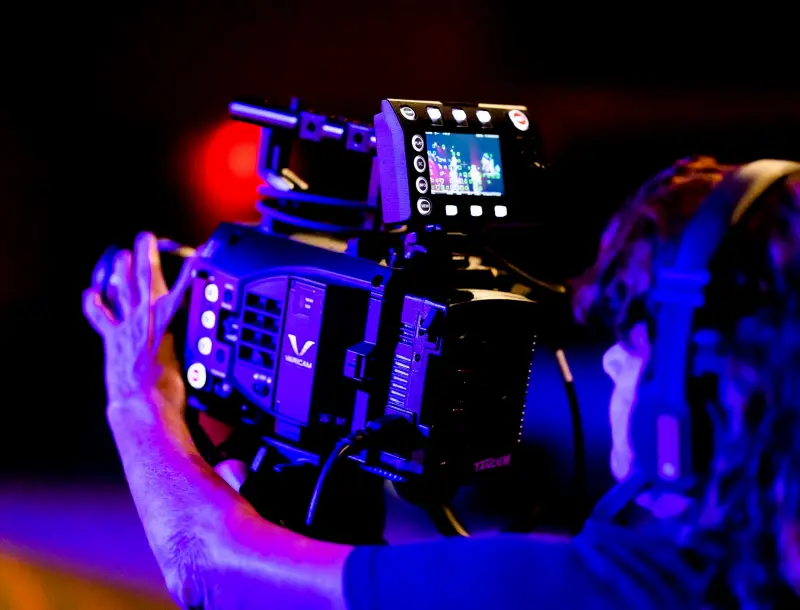
Setting up audio before the interview
Checking microphone placement and levels before anyone speaks saves a story later. Students learn to listen on headphones and spot problems early.
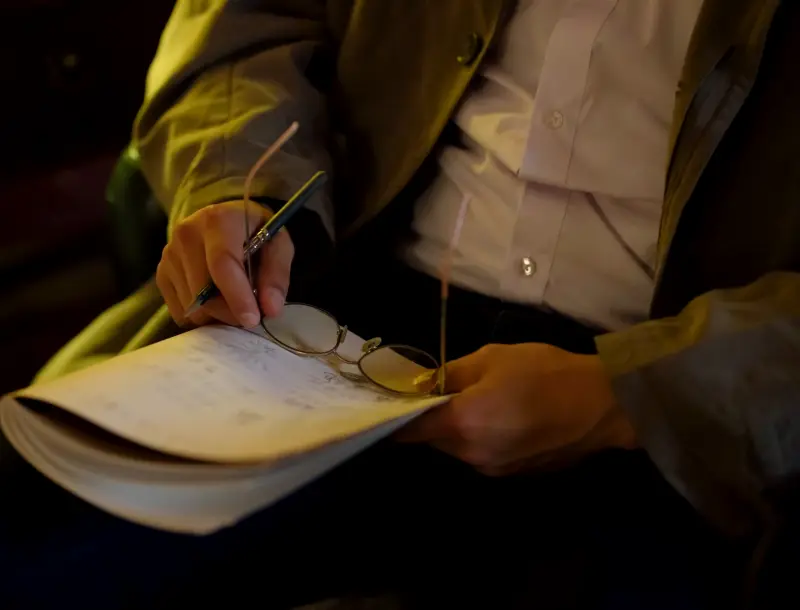
Planning a live report
Students map out what they will say, when the cue comes and how to fill time if a link drops. Notes stay short enough to glance at.
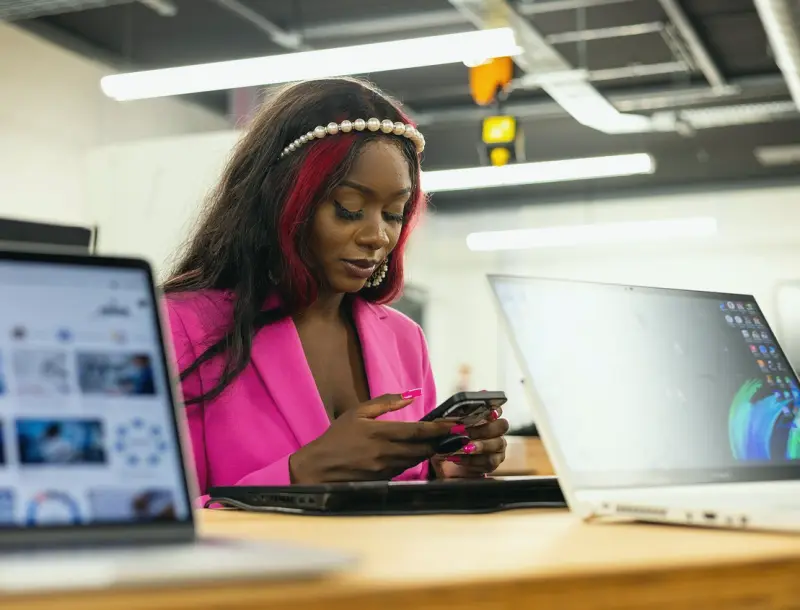
Cutting a news package
At the edit desk, students assemble footage, script and sound into a short package, checking each cut against what was actually said.
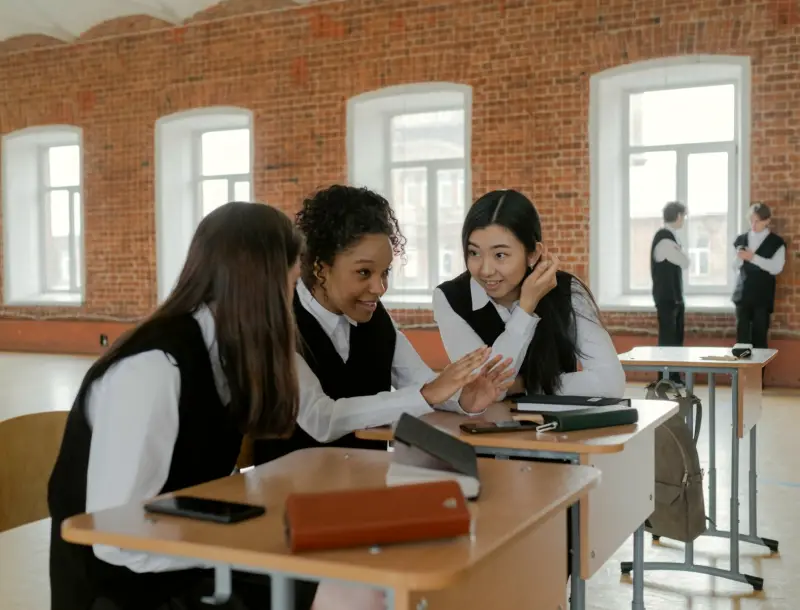
Discussing a case in class
Ethics and law sessions work through realistic situations around consent and privacy, so students decide what they would film and what they would leave.
Ask which course suits where you are now
Send an enquiry through the contact page and we will reply in writing with the course that fits your role and experience, along with dates and a quotation.
Contact- Tell us whether you report, shoot or do both
- Say how much practice you have had so far
- We reply with a written quotation